
Ductwork Repair vs. Ductwork Replacement: Which One Does Your Home Need?
Your HVAC system relies on ductwork to deliver clean, comfortable air throughout your home. When ducts are damaged, leaking, or improperly installed, your comfort, energy efficiency, and indoor air quality can suffer. One of the most common questions homeowners ask is: Should I repair my ductwork or replace it entirely?
This guide breaks down the differences between ductwork repair and ductwork replacement, when each option makes sense, and what a professional service process (standard operation procedure/SOP) should include.
What Is Ductwork Repair?
Ductwork repair focuses on fixing specific problem areas while keeping the existing duct system in place.
Common Ductwork Repairs Include:
Sealing air leaks and gaps
Reconnecting loose or disconnected ducts
Repairing small holes, cracks, or tears
Insulating exposed duct sections
Fixing crushed or restricted ducts
When Ductwork Repair Is the Right Choice
Duct repair is usually recommended when:
Ducts are less than 10–15 years old
Damage is minor or localized
The system is properly sized and designed
There is no widespread mold or contamination
Energy loss is limited to a few areas
Benefits of duct repair:
Lower upfront cost
Faster completion time
Improves airflow and efficiency
Extends the life of existing ductwork
What Is Ductwork Replacement?
Ductwork replacement involves removing part or all of the existing duct system and installing new ducts designed to meet your home’s current needs.
When Ductwork Replacement Is Necessary
Replacement is often the best solution if:
Ducts are old, deteriorated, or poorly installed
There are widespread leaks throughout the system
Mold growth or contamination is present
Ducts are undersized or improperly routed
Repairs would cost nearly as much as replacement
You experience uneven temperatures in multiple rooms
Benefits of ductwork replacement:
Dramatically improves energy efficiency
Enhances indoor air quality
Provides balanced airflow throughout the home
Reduces HVAC strain and utility bills
Ensures compliance with current building standards
Ductwork Repair vs. Replacement: Quick Comparison
FactorRepairReplacementCostLower upfrontHigher upfront, long-term savingsTimeShorterLongerBest ForMinor issuesMajor or system-wide problemsEfficiency GainModerateSignificantLifespan ImprovementLimitedLong-term
Professional SOP: Ductwork Repair & Replacement
A professional duct service should follow a clear Standard Operating Procedure (SOP) to ensure quality, safety, and long-term results.
SOP Step 1: Initial Inspection & Assessment
Perform a full visual inspection of accessible ductwork
Identify leaks, disconnections, insulation issues, and damage
Evaluate airflow, pressure, and system efficiency
Check for signs of mold, moisture, or contamination
SOP Step 2: System Evaluation & Recommendation
Determine whether repair or replacement is the most cost-effective solution
Review duct age, material condition, and layout
Explain findings clearly to the homeowner
Provide documented options and pricing
SOP Step 3: Ductwork Repair Process
For repair jobs:
Seal leaks using approved mastic or metal-backed tape
Reconnect loose or fallen ducts
Reinforce damaged sections
Replace or add insulation where needed
Secure ducts to prevent future movement
SOP Step 4: Ductwork Replacement Process
For replacement jobs:
Remove damaged or outdated duct sections safely
Design duct layout for proper airflow and efficiency
Install new ductwork using industry-standard materials
Seal and insulate all connections
Ensure correct sizing and airflow balance
SOP Step 5: Post-Service Inspection & Testing
Verify all connections are sealed and secure
Test airflow and pressure
Ensure system is operating efficiently
Review completed work with the homeowner
How to Know Which Option Is Best for Your Home
If your duct system only has minor leaks or isolated damage, ductwork repair is often sufficient. However, if your ducts are old, inefficient, or causing ongoing comfort issues, replacement may be the smarter long-term investment.
A professional inspection is the only way to make the right decision.
Final Thoughts
Choosing between ductwork repair and ductwork replacement can significantly impact your comfort, air quality, and energy bills. Understanding the differences—and working with a company that follows a clear SOP—ensures your HVAC system performs at its best for years to come.
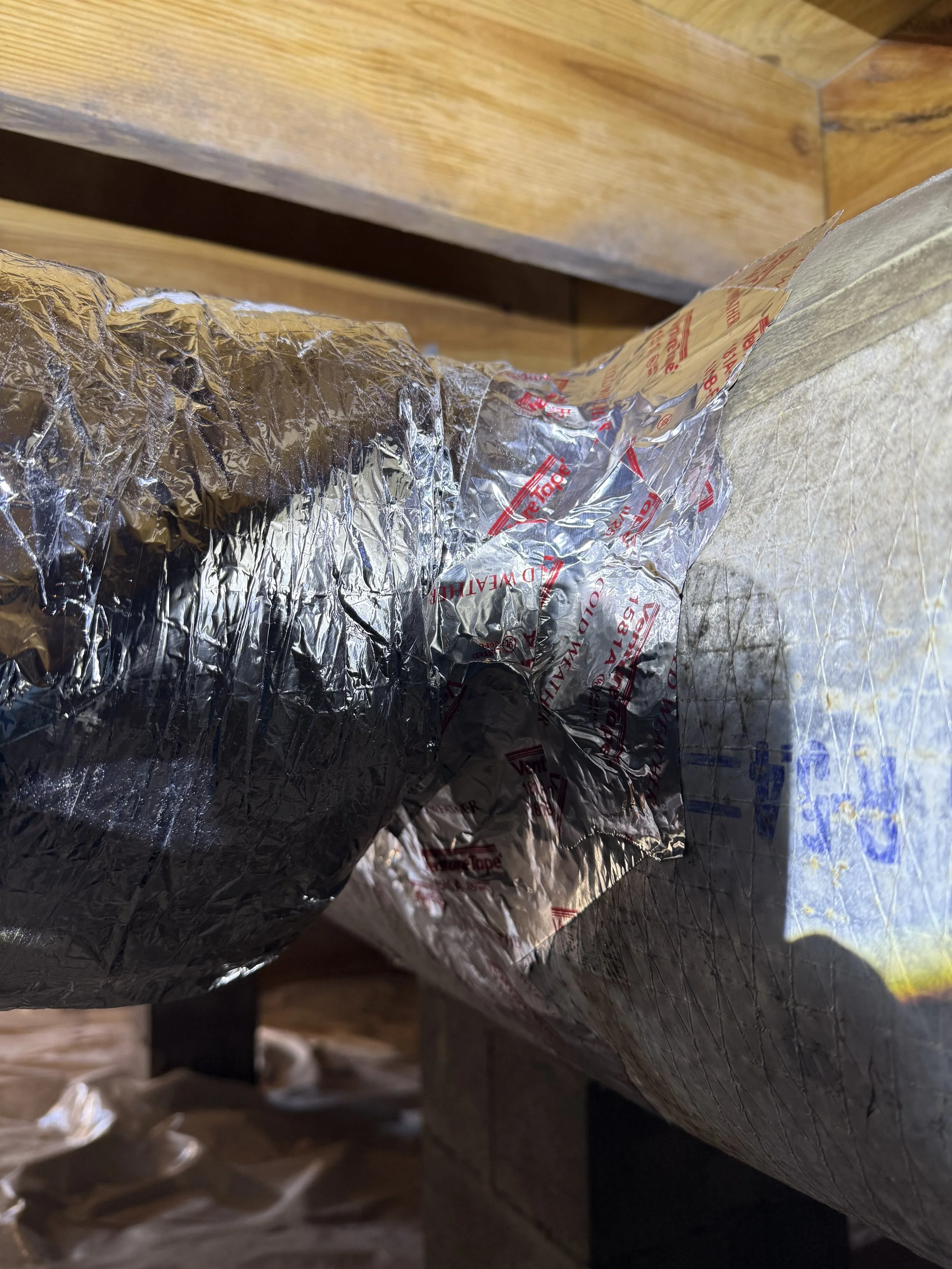
Ductwork Replacement
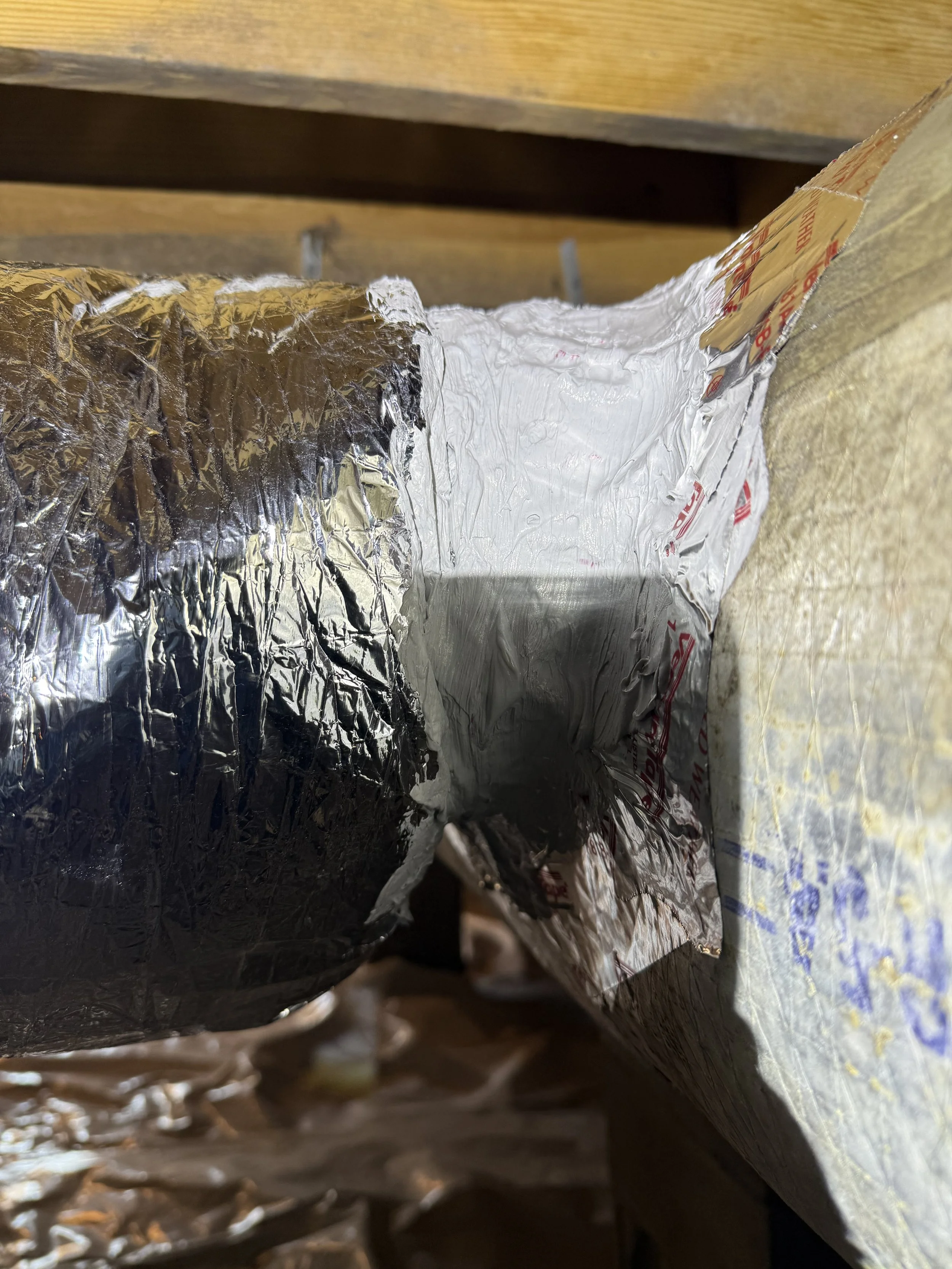
Ductwork replacement.
